
Blog
What Is the Difference Between a Bone Graft and Guided Bone Regeneration?
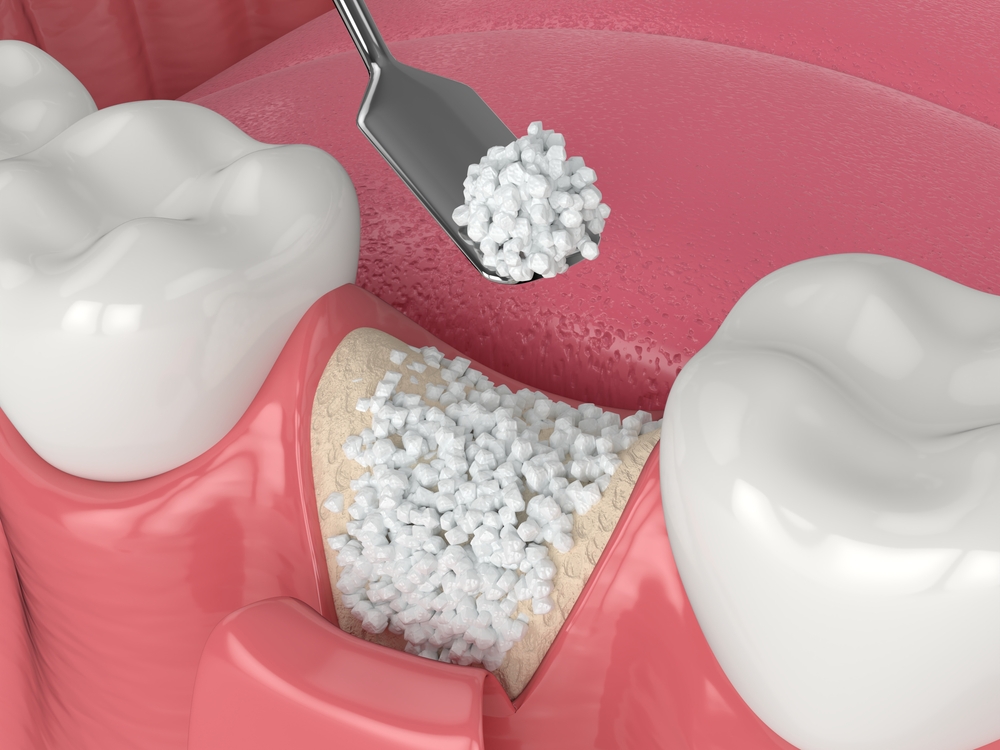
When bone loss occurs in the jaw - whether from periodontal disease, tooth loss, trauma, or infection - rebuilding that bone is often essential for long-term oral health and the success of dental implants. Two commonly used techniques in periodontics and implant dentistry are bone grafting and guided bone regeneration (GBR). While they are closely related and often used together, they are not the same.
What Is a Bone Graft?
A bone graft is a procedure that adds bone material to areas of the jaw where bone has been lost or weakened. The graft material acts as a scaffold that supports new bone growth over time. As the body heals, natural bone gradually replaces or integrates with the graft material, strengthening the area.
Bone grafts may be performed for several reasons, including preparing the jaw for dental implants, preserving the socket after tooth extraction, or restoring bone lost to periodontal disease. The graft material itself can come from different sources, such as the patient’s own bone, donated human bone, animal-derived bone, or synthetic materials. Your periodontist selects the type of graft based on your anatomy, health history, and treatment goals.
What Is Guided Bone Regeneration (GBR)?
Guided bone regeneration is a more advanced regenerative technique that controls how bone heals in a specific area. In GBR, a barrier membrane is placed over the bone graft or deficient bone site. This membrane prevents fast-growing soft tissue (like gum tissue) from invading the space, allowing slower-growing bone cells the time they need to regenerate properly.
The membrane can be resorbable (dissolving on its own over time) or non-resorbable (requiring removal later), depending on the clinical situation. GBR is especially useful when bone loss is significant or when precise bone regeneration is required, such as around future dental implant sites.
Rather than simply adding bone, GBR guides and protects the bone regeneration process to achieve a more predictable and stable result.
Key Differences Between Bone Grafting and GBR
The main difference lies in their purpose and technique. A bone graft refers to the placement of bone material itself, while guided bone regeneration refers to the method used to direct and optimize how that bone heals. Bone grafting can be done on its own in simpler cases, but GBR is typically used when greater control over healing is necessary.
In many treatments, the two work together: bone graft material is placed in the deficient area, and a membrane is used to guide regeneration. Think of bone grafting as the “building material,” and GBR as the “construction strategy” that ensures the bone forms where and how it should.
Which Option Is Right for You?
The choice between bone grafting alone or bone grafting with guided bone regeneration depends on several factors, including the amount of bone loss, the location in the mouth, your overall oral health, and whether dental implants are planned. A comprehensive evaluation is essential to determine the most effective and predictable approach for your individual needs.
At Palm Beach Center for Periodontics and Implant Dentistry, advanced diagnostic tools and evidence-based techniques are used to create personalized treatment plans focused on long-term oral health and implant success.
Start Your Personalized Treatment Plan
While bone grafting and guided bone regeneration are often mentioned together, they are not the same procedure. Bone grafting adds the necessary material to rebuild lost jawbone, while guided bone regeneration enhances and directs the healing process to ensure optimal results. Understanding this distinction can help patients better appreciate the precision and planning involved in modern periodontal and implant care.
If you’ve been told you need a bone graft or are considering dental implants, contact Palm Beach Center for Periodontics and Implant Dentistry to schedule a consultation and learn how advanced techniques can help restore your smile. Visit our office in Palm Beach Gardens, Florida, or call (561) 621-3111 to book an appointment today.

Periodontics & Implant Care

Here to Help You

Powered by: 
