
Blog
Can Gum Disease Cause Loose Teeth? When Periodontal Treatment May Help Save Them
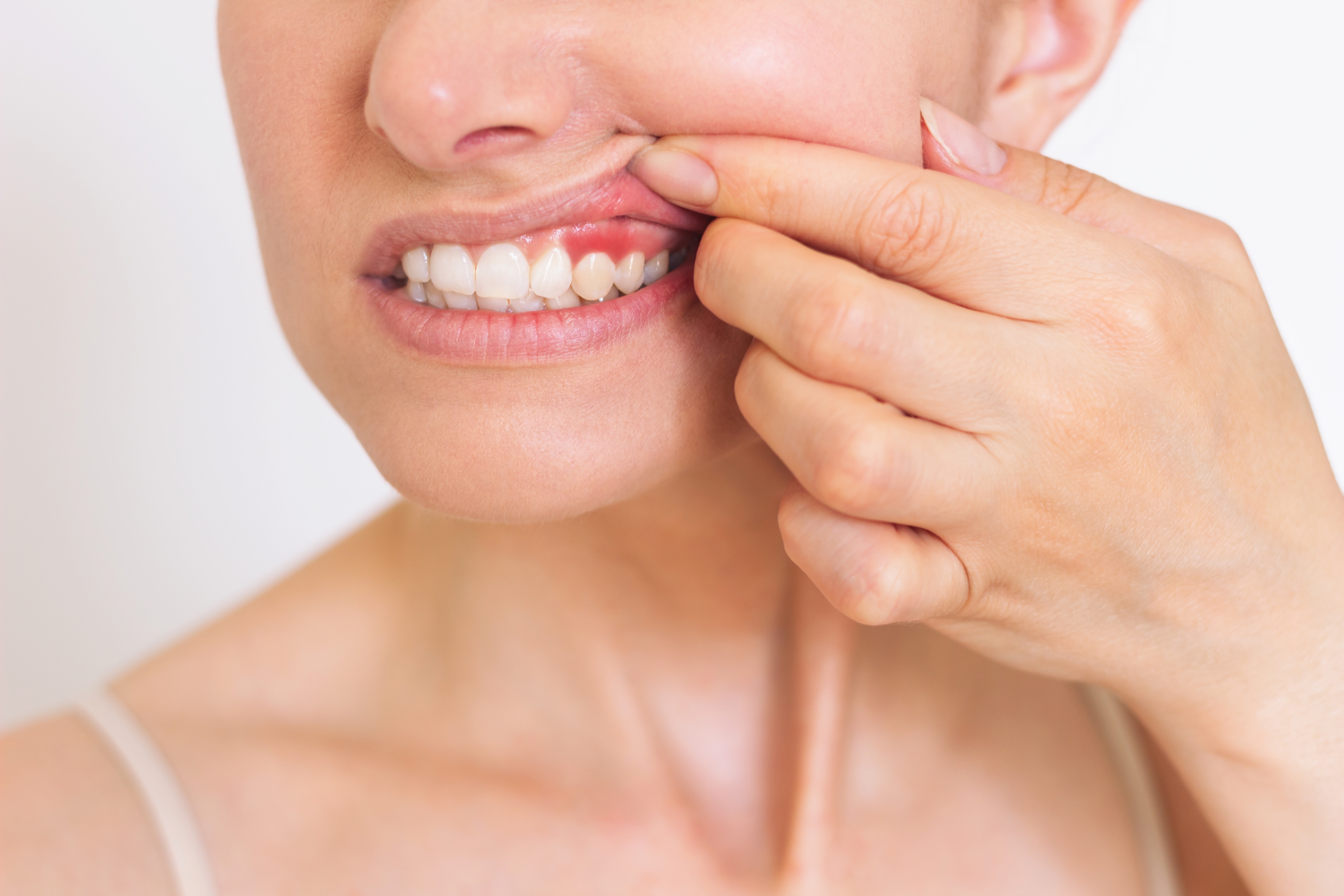
A loose permanent tooth is never something to ignore. While an injury or excessive biting pressure can sometimes cause tooth mobility, advanced gum disease is another common reason teeth begin to feel loose. Periodontal disease can damage the gums and supporting bone that keep your teeth stable, and without treatment, that damage may eventually lead to tooth loss.
At Palm Beach Center for Periodontics and Implant Dentistry, we evaluate the health of the gums, bone, and surrounding tissues to determine whether periodontal treatment may help preserve an affected tooth.
How Gum Disease Makes Teeth Loose
Periodontal disease begins when bacteria and plaque accumulate around the gumline. As the condition progresses, inflammation can cause the gums to pull away from the teeth, creating periodontal pockets where additional bacteria can collect. Over time, the infection can damage the bone and connective tissues supporting the teeth. When enough support is lost, a tooth may begin to shift or feel loose when chewing.
Other signs of progressing gum disease may include:
• Bleeding, swollen, or tender gums
• Gum recession or teeth that appear longer
• Persistent bad breath
• Deep pockets around the teeth
• Changes in the way your teeth fit together
• Discomfort or movement when biting or chewing
Loose teeth often indicate that periodontal disease has become more advanced, so timely evaluation is important.
Can A Loose Tooth From Gum Disease Be Saved?
Whether a loose tooth can be preserved depends on several factors, including the amount of remaining bone support, the severity of infection, the degree of tooth mobility, and the overall condition of the tooth. The goal of periodontal treatment is to control the infection and create a healthier environment around the tooth. Once inflammation and bacteria are addressed, the supporting tissues may have an opportunity to stabilize.
However, periodontal treatment cannot save every loose tooth. If too much supporting bone has been lost or the tooth has another significant problem, removal may sometimes be recommended. An examination is necessary to determine the most appropriate approach.
Treating Gum Disease Before More Support Is Lost
Treating periodontal disease as early as possible can help reduce further damage to the gums and bone. Depending on the extent of the condition, treatment may involve non-surgical or surgical periodontal care.
Our practice also offers LANAP laser periodontal treatment for appropriate patients. LANAP uses laser technology to target infected tissue and bacteria within periodontal pockets while supporting the healing process. Treatment recommendations are always based on the individual condition of your gums, teeth, and supporting bone.
Do Not Wait For a Loose Tooth to Get Worse
Tooth mobility does not necessarily mean a tooth needs to be removed, but waiting can allow periodontal disease to continue damaging its support. If you have noticed a tooth becoming loose, changes in your bite, bleeding gums, or other signs of gum disease, a periodontal evaluation can help determine what is happening and whether the tooth may still be preserved.
Schedule a periodontal evaluation with Palm Beach Center for Periodontics and Implant Dentistry to learn whether treatment may help protect your natural teeth. Contact our office in Palm Beach Gardens, FL, or call (561) 621-3111 to request an appointment today.

Periodontics & Implant Care

Here to Help You

Powered by: 
